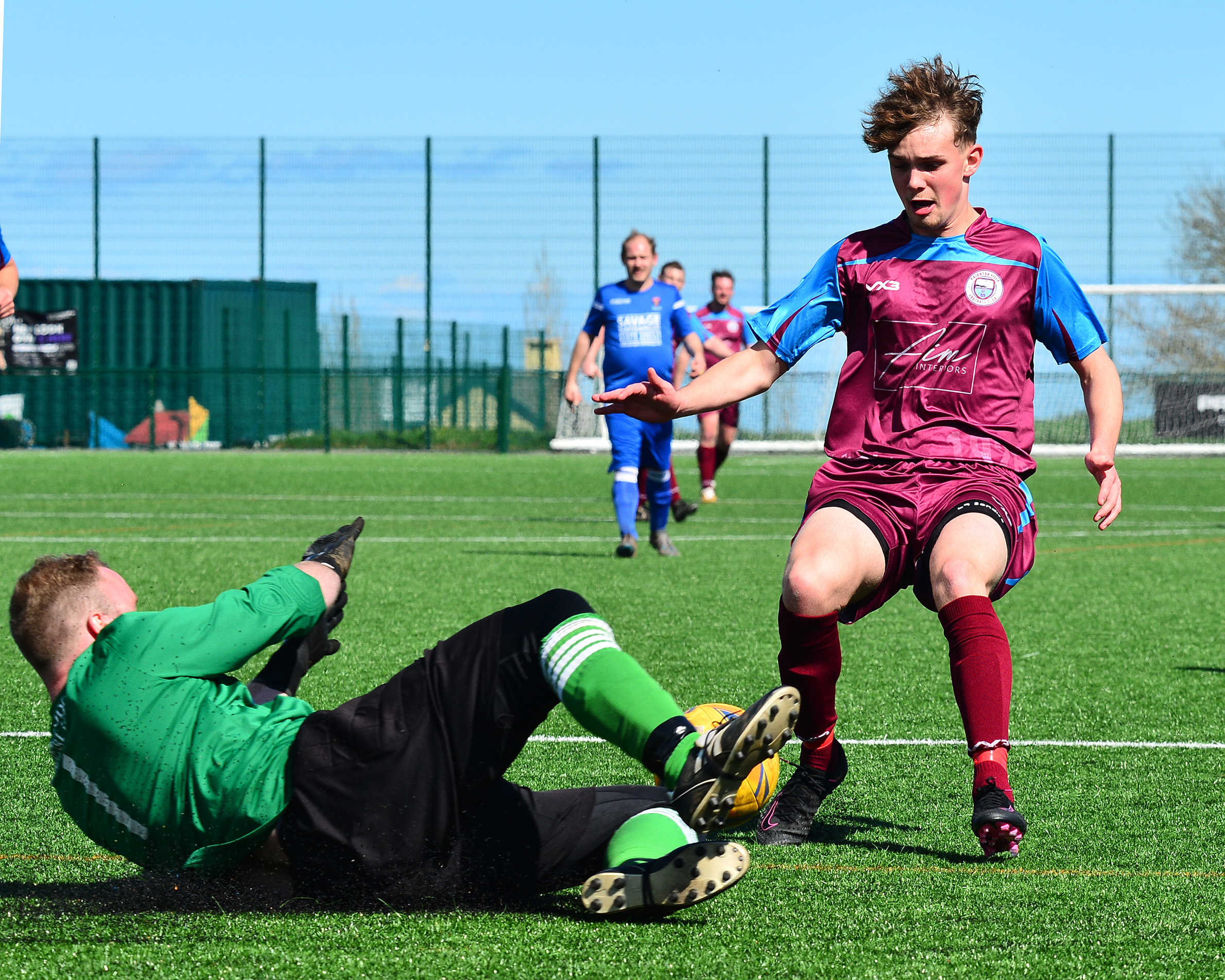
Cover image by Al Macphee/MiraclePR
For grassroots and amateur local football clubs and leagues across Devon, the hardest part of player wellness isn’t effort on matchday, it’s consistency between sessions.
Busy work weeks, late nights and mixed fitness levels make breaking bad health habits feel like starting over every Monday, and motivation can fade fast when results don’t show up quickly. Add limited exposure, tight budgets and the pressure to keep players engaged, and health goals often become an afterthought. A personalised health roadmap turns good intentions into a clear direction that supports form, confidence and long-term wellbeing benefits on and off the pitch.
Quick health roadmap highlights
- Start by mapping a personalised health roadmap with clear, actionable steps you can follow immediately.
- Focus on habit change by choosing small, realistic adjustments that build lasting momentum.
- Prioritise fitness basics with practical routines that support performance, energy and recovery.
- Strengthen nutrition habits with simple, sustainable choices that fuel training and daily wellbeing.
- Manage stress with straightforward strategies that protect mental health and keep motivation steady.
Understanding a personalised health roadmap
A ‘one size fits all’ plan rarely fits a real player. Personalisation means building a health roadmap around your body, your week and your role at the club. It starts with clear wellness goals, then matches them with custom training and smart food choices.
Personal plans matter because they are easier to follow and adjust. Some clubs using up to a 30% improvement in results show how tailored support can speed progress. When players feel the plan respects their time, they show up more consistently.
Think of two team-mates: a ‘keeper with sore shoulders and a winger chasing stamina. A personalised nutrition plan helps each fuel differently, while training targets what each needs most.
Weekly habits that make wellness plans stick
Personal roadmaps only work when the basics repeat without drama. These small practices help clubs and supporters keep wellness visible, measurable and realistic across busy training weeks.
Three-point weekly check-in
- What it is: Rate energy, soreness and mood in a shared note.
- How often: Weekly.
- Why it helps: It surfaces patterns early, so you adjust before setbacks grow.
Two-meal prep anchor
- What it is: Plan two go-to meals with protein, veg and carbs.
- How often: Twice weekly.
- Why it helps: It reduces impulsive eating and supports steady training fuel.
Recovery sleep window
- What it is: Aim for seven to nine hours of sleep per night.
- How often: Nightly.
- Why it helps: Better sleep improves recovery, focus and mood.
Micro-mobility after training
- What it is: Do six minutes of hips, ankles and shoulders mobility.
- How often: After sessions.
- Why it helps: It maintains range of motion and lowers tightness carry-over.
66-day consistency streak
- What it is: Track times to reach habit formation on a simple calendar.
- How often: Daily for 66 days.
- Why it helps: It builds patience and momentum when progress feels slow.
Roadmap Q&A for club wellness plans
Q: What are the first steps to take when creating a personalised roadmap to break bad habits and improve health?
A: Start by choosing one priority that affects football performance most, like sleep, fueling or recovery. Write a simple baseline for seven days (energy, soreness, mood, meals and training) to spot triggers and patterns. Then pick one replacement habit you can repeat, and set a clear minimum standard for busy days.
Q: How can I stay motivated and consistent in following my health improvement plan over the long term?
A: Tie the plan to a meaningful outcome, like playing pain-free or having energy for work and family. Use a short weekly checklist, share it with a team-mate or staff member, and schedule a five-minute review at the same time each week. Track streaks and progress measures so effort feels visible even when results are slow.
Q: What strategies can help reduce stress and avoid feeling overwhelmed while making lifestyle changes?
A: Shrink the change until it feels almost too easy, then build from there. Keep only one or two habits ‘active’ at a time, and give yourself a reset rule for rough weeks. Add a quick decompression routine after training, like breathing plus a short walk, to downshift stress.
Q: How do I simplify my daily routine to support better eating, exercising and overall wellbeing?
A: Create defaults: two go-to meals, one set training time and a consistent wind-down for sleep. Prep once, repeat often and keep healthy options visible so decisions are quicker. Put your routine into a one-page checklist, export it as a PDF and use online annotation to update it without rewriting everything.
Q: How can local football clubs support their players and members in developing and sticking to personalised health roadmaps?
A: Offer a simple template players can personalise, then normalise quick check-ins that focus on progress, not perfection. Encourage buddy accountability, protect recovery with smart session planning and provide a clear pathway for referral when someone needs extra support. Keep plans shared in a club folder as PDFs, so staff and players can comment, review and adjust goals smoothly; you can edit and review PDFs online to make the process run more smoothly.
Start a club wellness roadmap that sticks this week
It’s easy for training nights, match days and busy work weeks to push wellbeing to the sidelines, even when everyone wants to feel better. The way through is a simple mindset: start personalised roadmaps built around small, motivating health changes, then keep them visible and revisable as a shared commitment to wellbeing. Do that, and empowerment through wellness becomes practical: more energy, fewer drop-offs and a sustainable healthy lifestyle that fits real club life. Small steps, tracked consistently, become the culture. Pick one change for the next seven days and write it into your roadmap today, then review it at week’s end. That steady progress builds healthier players, stronger connections and more resilient teams across Devon.
Looking to publish your own article on Clubnets? Find out more here.