
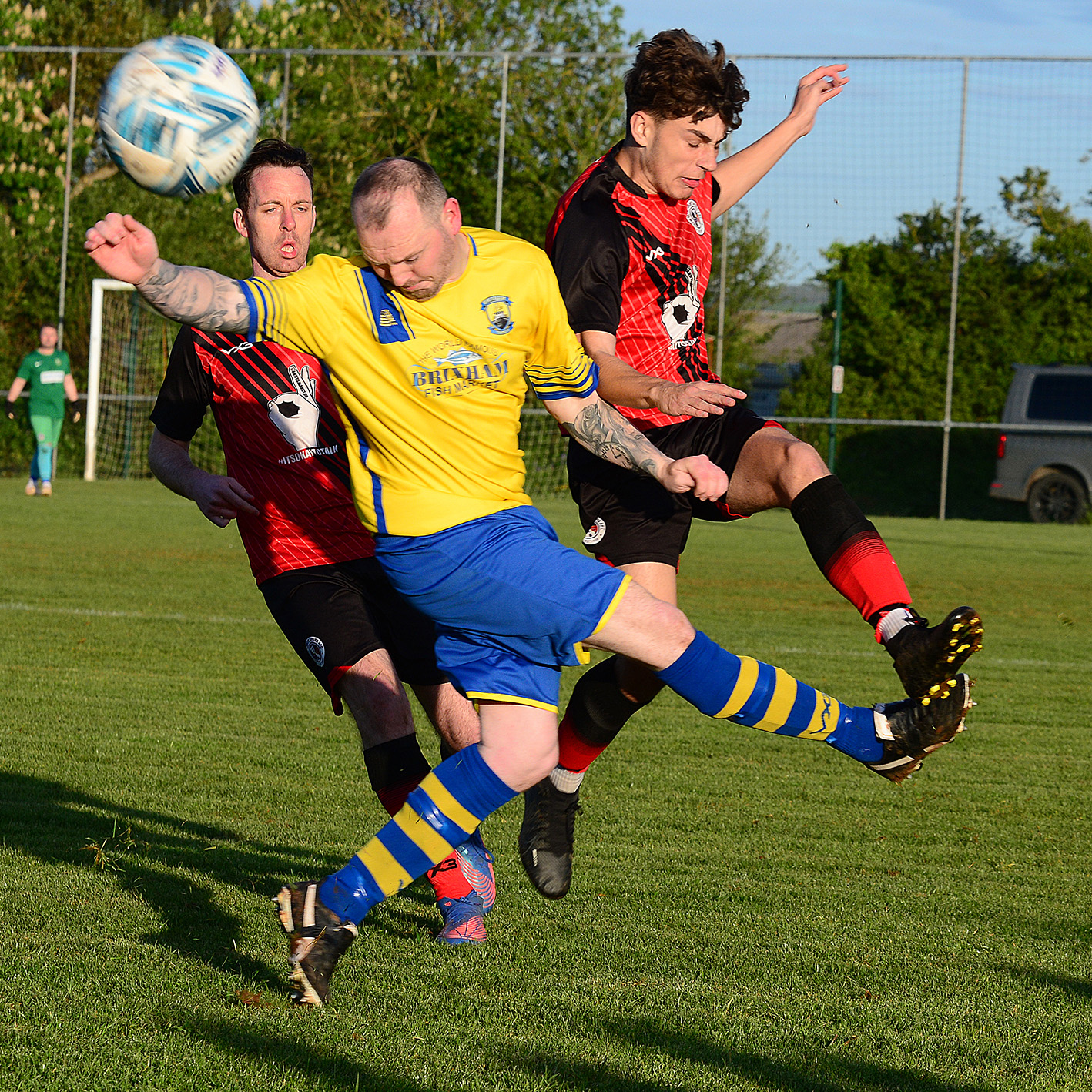
Cover image by Al Macphee/MiraclePR
Grassroots and amateur football players in Devon know the pattern: a strong start in pre-season, a few hard sessions, then life, work, travel and knocks cut the routine short. The real fight isn’t effort on the day, it’s fitness motivation that lasts when training feels dull, the weather turns or the club schedule changes. These fitness consistency challenges can make starting a fitness routine feel like another promise that won’t stick, especially when time and support are limited. The shift is treating fitness as sustainable exercise habits built around football life, not a burst of willpower.
Understanding what really drives motivation
Motivation is not a personality trait you either have or don’t have. Motivation is the psychological drive that gets shaped by your thoughts, your feelings and your real-life obstacles. Willpower fades because it depends on mood and energy, while lasting drive comes from clear goals and choices you feel you own.
This matters when a squad wants better results without burning out. Clear targets reduce guesswork, and self-driven reasons keep sessions going when attention is on fixtures, work and club updates. That steady training also makes your team easier to support and back because progress becomes visible and reliable.
Think of motivation like matchday momentum. A good first ten minutes helps, but the game is won by a plan, roles and small wins that keep belief up. When training has a simple goal and a personal reason, it stops feeling like a chore.
Build a fitness routine around your football week
Your motivation has a direction, so give it a simple route to follow. This process helps Devon-based grassroots and amateur football teams build a repeatable training habit that improves performance, creates consistent updates to share locally and gives sponsors confidence that your club is organised and progressing.
- Step 1: Align one clear goal with your football role
Start with one outcome you can measure in four weeks, such as ‘finish matches strong’ or ‘reduce niggles’, then link it to a simple metric like sessions completed or recovery days hit. Keep it role-based so every player can buy in without comparing themselves to others. A single target reduces decision fatigue and makes it easier to keep training when fixtures pile up. - Step 2: Choose your non-negotiable training windows
Pick two or three fixed time slots that survive your real week, not your ideal one, and treat them like training attendance. Write them into the team diary alongside fixtures and travel so everyone knows what is protected. This consistency matters because new runners abandon routines quickly when sessions float around and rely on mood. - Step 3: Build a simple session template you can repeat
Create a 35 to 50 minute template: warm-up, main work, short finisher, then mobility. Repeat the same structure for two weeks before changing anything because familiarity lowers the mental barrier to starting. Treat it like turning up, since exercise should become a habit rather than a decision you renegotiate every day. - Step 4: Customise intensity around training and match days
Set hard days 48 hours away from match day, and keep the day before a match light and sharp, focusing on movement quality and activation. If you have mid-week training, make your gym work shorter and more strength-based to avoid arriving heavy-legged. This keeps players improving without turning the week into a fatigue contest. - Step 5: Confirm a weekly ‘proof of progress’ update
Track just two numbers as a squad, such as total sessions completed and average sleep hours, then post a short weekly note for members and local followers. Consistent, honest progress updates make your club easier to feature and easier to sponsor because supporters can see reliability. Keep it simple: done beats perfect.
Habits that make motivation automatic
For Devon-based amateur and grassroots football teams, the right habits turn motivation into something you do, not something you wait for. They also create a steady stream of simple, shareable wins that help local followers stay engaged and sponsors see reliability.
Kit-first cue
- What it is: Put a training kit by the door as your default leaving cue.
- How often: Daily
- Why it helps: It reduces friction and makes the next session easier to start.
Two-minute starter
- What it is: Begin with two minutes of movement before deciding on the full session.
- How often: Every training day
- Why it helps: Repetition turns it into minimal cognitive effort.
Buddy accountability ping
- What it is: Send one message after training: done, skipped, or modified.
- How often: After each session
- Why it helps: Small honesty builds consistency and keeps standards social.
Sunday shareable recap
- What it is: Post one photo and two numbers: sessions and recovery wins.
- How often: Weekly
- Why it helps: It creates local update rhythm and sponsor-friendly proof.
Pick one habit this week, then shape it around your family schedule.
Motivation questions footballers ask most
Q: How can I stay motivated to start a fitness routine even after multiple setbacks?
A: Treat setbacks as data, not failure, and restart with the smallest repeatable session you can win this week. Many people hit the same wall, including lack of energy, so plan your first two weeks around low-stress consistency, not intensity. Write a simple rule: ‘I train for 10 minutes, even if I stop there.’
Q: What mental and emotional strategies help build confidence to maintain a consistent workout schedule?
A: Confidence comes from keeping promises to yourself, so focus on streaks of ‘showing up’ rather than perfect sessions. Use a quick post-session note: what went well, what hurt, what to adjust, so progress feels visible. When soreness or time pressure hits, switch to a lighter version instead of skipping entirely.
Q: How do daily habits and environment influence my ability to stick to a new fitness plan?
A: Your environment either removes friction or creates it, so make the right choice the easy choice. Put training times in your calendar and use set reminders to protect them like any other commitment. Keep a default ‘busy day’ option ready: a short warm-up, mobility and a walk.
Q: What are realistic goals I can set to avoid feeling overwhelmed when beginning a fitness journey?
A: Pick one match-relevant target and one habit goal, and keep both small enough to repeat weekly. If getting fit is too vague, choose something concrete like two sessions per week plus a measurable outcome like improved recovery or completing a short run without stopping. Review after 14 days and only then add volume.
Q: What steps can I take to organize and simplify the logistics of joining or forming a local amateur/grassroots football team to support my fitness goals?
A: Start with one page: training night, match day, location, costs and who to contact, then share it with anyone interested. Build a basic weekly plan around those fixed points so your workouts support football rather than compete with it. If you are dealing with club forms, keep them in one folder and use a quick way to edit documents in PDF format to fill and update details in minutes.
Keep it simple, keep it repeatable, and let small wins rebuild your drive.
Commit to two weeks of training that fits football life
It’s easy to want better fitness for Saturday, then lose momentum when work, soreness or confidence gets in the way. The way through is an empowering fitness mindset: use reflective motivation practices to choose what’s realistic, then back it with a small long-term fitness commitment instead of chasing perfect weeks. Do that and maintaining exercise motivation becomes less about willpower and more about having a clear next step that matches your football life in Devon. Motivation lasts when the next session is simple, scheduled and repeatable. Pick tomorrow’s session now and commit to 14 days, using a quick daily check-in to stay honest and adjust without quitting. That’s how fitness becomes a steady base for resilience, health and better performances when it matters.