
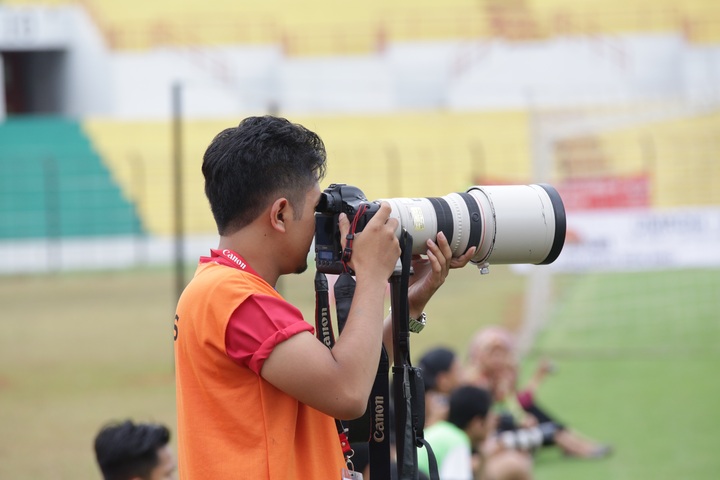
The view from the touchline is very different from the view in the stands. As a football photographer you are expected to freeze crucial moments on demand, in all weather, under poor floodlights and with players running directly at you. It is demanding work, but it is also one of the most rewarding routes into sports media if you love the game and live photography equally.
The timing is good. The global sports broadcasting technology market generated more than 75 billion US dollars in revenue in 2023 and is projected to reach over 114 billion by 2030, driven by streaming platforms and the need for fresh visual content across screens. More highlights, social clips and tactical analysis shows mean more demand for strong images. This article breaks down the skills, gear, positioning and business steps that can turn you from keen amateur into paid football photographer.
Why football photography is a growing career path
Professional football is now a global content engine. Broadcasters and clubs need stills not only for newspapers and magazines, but also for apps, club channels and social media. One recent report found that sports media rights and related technologies are growing at around 6 percent annually, underlining how central live sport has become to the wider media economy. Every match becomes a library of potential thumbnails, thumbnails, headers and sponsorship assets.
At the same time, the way fans consume football is shifting. A YouGov study cited in SportsPro Media showed that roughly 34 percent of engaged sports fans aged 18 to 24 prefer watching highlights or clips rather than full matches. Another survey from a broadcast tech company found that 71 percent of Gen Z say they often or very often watch sports content on social media. Those clips are built on stills and short bursts of images that freeze key moments in a way video alone cannot.
For you as a photographer, this means your pictures are not just ending up on the back page. They are used as:
- Live blog illustrations during the match
- Social posts and thumbnails within minutes of the final whistle
- Assets for sponsors, ticket campaigns and shirt launches
- Reference material for analysts, writers and historians
Key point:
Growing demand for short, shareable football content has increased the value of sharp, well composed still images that can travel across platforms quickly.
The core skills of a professional football photographer
Good football images are not an accident. They are the result of technical control and deep game sense. You need to understand exposure, focusing and composition, but also pressing patterns, player habits and how referees move. The best football photographers often sound more like assistant coaches than camera nerds when they talk about the game.
On the technical side you should be comfortable with:
- Shooting in manual or shutter priority to freeze motion at 1/1000s or faster
- Tracking focus using continuous autofocus and subject tracking modes
- Working at high ISO in low light without panicking about noise
- Framing fast action so that the ball, the face and the moment can all be read clearly
Equally important are softer skills. You must be able to read the match and anticipate where the decisive image will come from. That means watching the build up, knowing which winger prefers to cut inside, and noticing when a defender is close to a second yellow card. It also means staying calm when a last minute winner is scored right in front of you and your buffer is nearly full.
Key point:
Technical mastery is essential, but the real edge comes from game intelligence and anticipation, which let you be pointed at the right piece of grass before anything happens.
A disciplined workflow rounds out the skill set. You will often be filing pictures at half time or even during play, so you need to cull, caption and transmit very fast. Learning basic caption standards, club and player names, and standard keywording practices will make your work easier to find and license.
Cameras, lenses and field positions that actually work
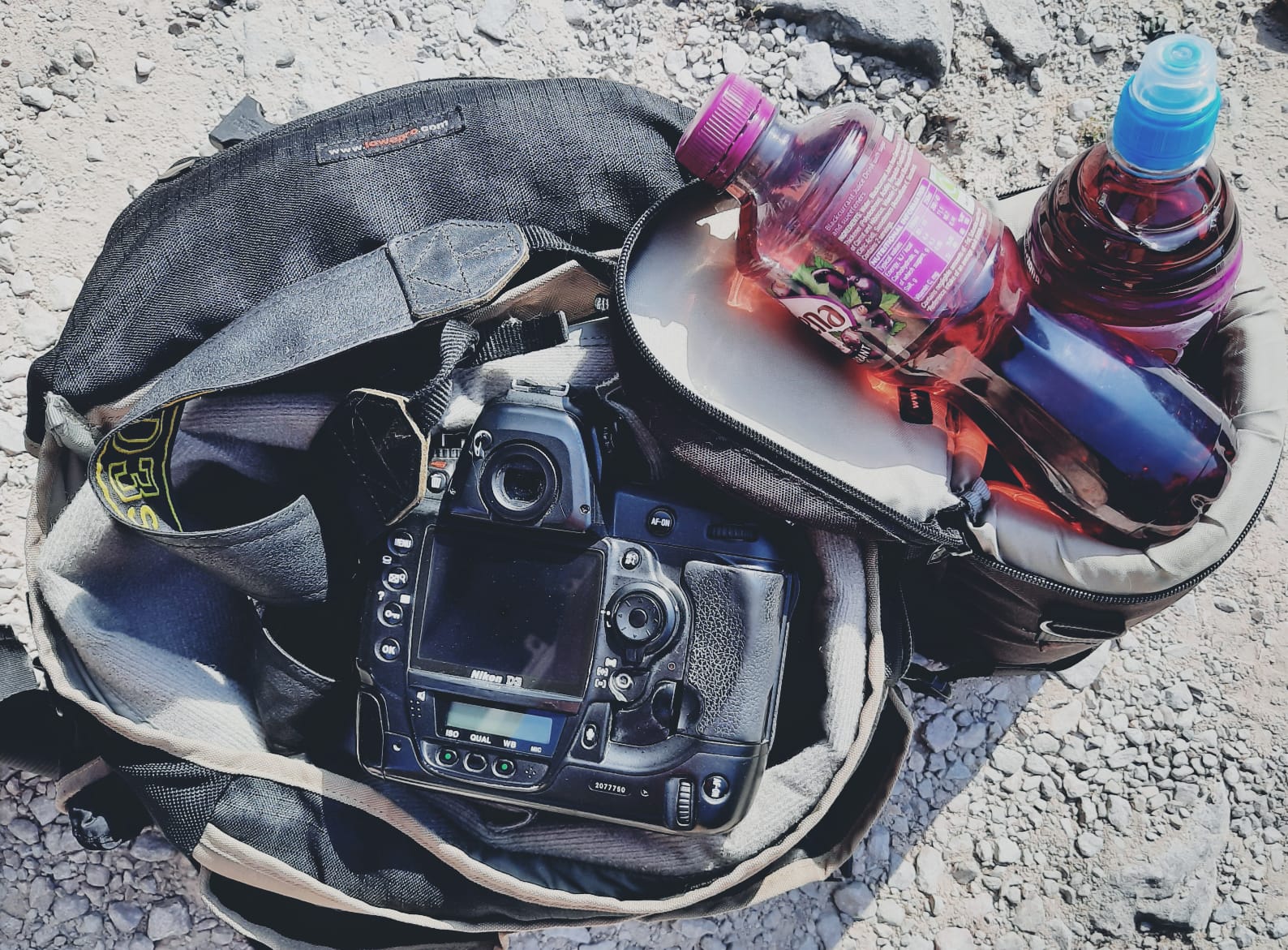
By 2026 the sports camera market is dominated by mirrorless bodies with advanced autofocus and very fast burst rates. High end models like the Sony A1 II can shoot at up to 30 frames per second with full autofocus and exposure tracking, while maintaining 50 megapixel resolution. Fujifilm’s X H2S reaches up to 40 frames per second with blackout free shooting, which is more than enough for quick passing moves in the final third. Canon’s EOS R6 Mark III also delivers 40 frames per second and strong subject recognition at a price that undercuts many flagship bodies.
You do not need to start at the top of the price range. Many working photographers pair a mid range body with pro lenses. Examples of sensible combinations for 2026 include:
- A Canon EOS R6 Mark III or Nikon Z6 level body with fast autofocus
- A Fujifilm X H2S for those happy with APS C and smaller files
- A used Sony A9 or Canon 1D X series body if you prefer DSLRs at lower cost
- Fast UHS II SD or CFexpress cards plus at least one spare battery
For lenses, almost every sports photographer relies on a 70 200mm f2.8 as the main workhorse, combined with a wider zoom and sometimes a longer prime. Guides to sports photography still describe the 70 200mm f2.8 as a staple in 2025, because it balances reach, low light performance and flexibility on the touchline.
You can then add:
- A 24 70mm or 24 105mm for celebrations, tunnel shots and manager reactions
- A 300mm or 400mm prime for covering play on the far side of the pitch
- A 100 400mm or 150 600mm zoom as a more affordable long option
- A sturdy monopod to support heavy glass during long matches
Key point:
Invest first in a reliable mid range body and a fast 70 200mm, then add a second body and longer lenses as your assignments and day rates grow.
Where you stand matters as much as what you carry. Behind the goal you will capture diving headers, goalmouth scrambles and keepers at full stretch. On the touchline near the halfway line you will get duels, coaches and build up play. As a beginner it is wise to experiment with:
- Sitting near one corner flag in the first half, then switching sides after the break.
- Spending 10 to 15 minutes behind each goal to learn how angles change.
- Watching where experienced photographers set up and noticing what they are looking at.
Even with modest gear, careful positioning and anticipation will give you stronger images than simply buying the newest body.
Practice, workflow and turning your pictures into income
You cannot learn football photography only by reading about it. The best training ground is your local pitch. Start with Sunday league, youth football or training sessions where you can move freely and experiment. This lets you practice exposure, focus and timing without the pressure of accreditation or tight filing deadlines.
At this stage you should build a simple workflow that you will later apply on professional jobs. After each match, import your files, make a fast first edit, then a tighter second pass where you aim to keep perhaps 5 to 10 percent of frames. Even if you begin by doing this in a basic free picture editor on your laptop, you should still treat the process seriously, learning to crop for impact, adjust white balance, and apply consistent contrast so that your set feels coherent.
Key point:
Consistent, efficient editing and captioning turn a folder of raw files into a usable story that editors and clients can actually work with.
As your skills grow, start thinking about how you will sell your images. Common routes into paid work include:
- Approaching local clubs and offering match coverage plus portraits on a seasonal contract.
- Pitching photo stories to local newspapers or regional sports websites.
- Joining a small picture agency that covers lower league football and cup ties.
- Offering match day packages to parents or academies, with clear pricing and usage terms.
Before you pitch, make sure your portfolio is focused. Editors prefer to see a tight series from three or four matches that show you can handle rain, night games and different types of stadium, rather than a random mix of portraits and landscapes. Run your selects through a clear workflow, even if that is just a folder structure and a free picture editor that can batch crop and straighten so that your gallery looks professional from the first image to the last.
Do not neglect speed. In the age of live blogs and instant clips, clubs and media outlets expect pictures quickly. You should practise exporting a first batch of five to ten strong images within fifteen minutes of full time for social channels, then a larger, more refined set later in the evening for websites and print. For small grassroots clubs with limited budgets, the ability to deliver social ready images edited in a free picture editor on a modest laptop may be more valuable than printing large exhibition quality enlargements.
On the business side, learn the basics of licensing. Editorial clients usually buy rights for a specific use and territory, while commercial campaigns require separate negotiation and model releases. Keep clear records of who you have shot and what you have agreed, and avoid giving away all rights for a low flat fee. Over time, building relationships with a handful of regular clients will stabilise your income much more than chasing one off viral images.
Key point:
Treat yourself as a small media business from the start, with repeat clients, clear pricing and a fast, reliable delivery pipeline.
A final ingredient is networking. Talk to club media officers, local journalists and other photographers. Be helpful rather than aggressive: share a shot when someone needs it, but keep firm boundaries on usage rights. Many football photography careers begin with being the reliable person who always turns up, delivers clean images on time and causes no problems at the ground.
If you combine that attitude with strong technical skills, smart gear choices and a serious approach to workflow, you will be much better placed to move from council pitches to professional stadiums. The pathway is competitive, but football is a growing global business that constantly needs fresh eyes and sharp images. For committed photographers who understand the game, there is real space to build a career.
Football photography FAQ
Do I need two cameras to start shooting football professionally?
It is ideal but not essential. Many people begin with one body and a 70 200mm lens, then add a second body with a wider zoom once they start covering faster paced or higher level matches.
What minimum shutter speed should I use for football?
As a rule of thumb, aim for at least 1/1000s to freeze action. You can sometimes drop to 1/800s in good light, but for fast sprints or headers you will often prefer 1/1250s or faster.
Is full frame mandatory for football photography in 2026?
No. Modern APS C bodies like the Fujifilm X H2S offer excellent autofocus and 40 frames per second bursts, which are more than enough for most matches. Full frame mainly helps with low light and shallow depth of field.
How can I get accreditation for bigger matches?
Build a track record first. Shoot lower leagues, publish work locally, then apply for accreditation through a newspaper, agency or the club’s media department with a clear explanation of where the pictures will be used.How many pictures should I deliver from one match?
For a standard game, 40 to 80 well edited images is usually enough. Editors prefer a tight, focused set that tells the story of the match over hundreds of near duplicates.