
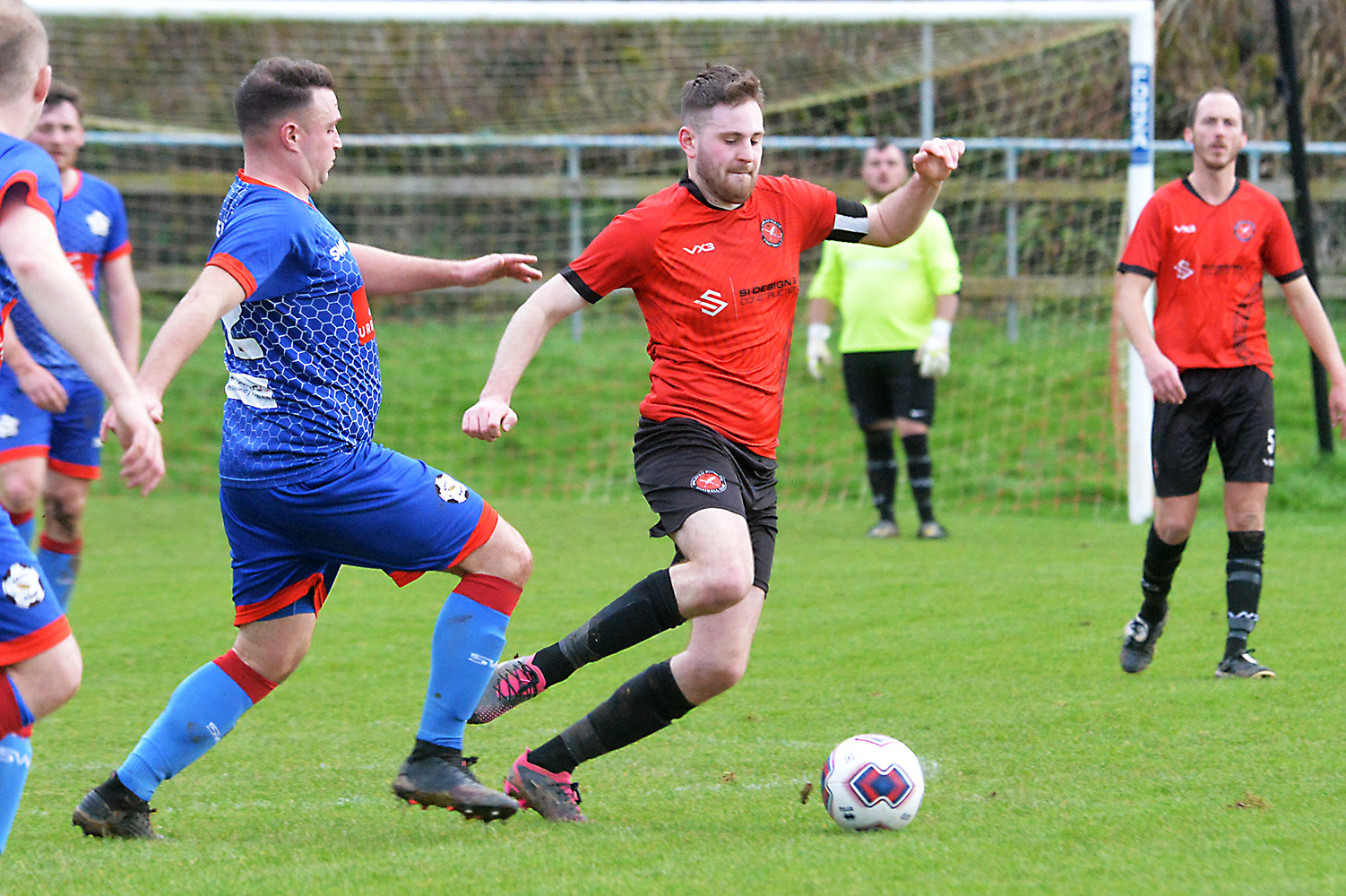
Cover image by Al Macphee/MiraclePR
For local football clubs, Sunday-league squads and sports enthusiasts across Devon, progress can stall even when the passion is real. Fitness motivation barriers creep in after a few missed sessions, the beginner athlete mindset starts whispering that others are ‘naturally fitter’ and sports and wellness engagement becomes inconsistent when life gets busy. That’s a common set of sports personal growth challenges, and it can leave training feeling like a chore instead of a choice. Community sports participation offers a steady way to rebuild confidence, consistency and momentum.
How football fitness builds real life growth
What makes training powerful is that it changes more than your body. The sports psychology definition frames sport as a place where your thoughts, emotions and habits get shaped then carried into everyday life.
That matters because better fitness often means steadier mood, clearer focus and more patience when results take time. For clubs and supporters, this mindset shift can improve consistency, teamwork and confidence, which also keeps you engaged with local news, partners and wellness support.
Picture a player who missed two sessions and feels ‘behind’. A growth mindset reframes that as data, not a verdict, so they adjust and show up. With that link clear, the right weekly habits become much easier to stick with.
Weekly habits for fitness and a winning mindset
Small routines keep football fitness progressing even when schedules get messy, and they make the mindset side easier to practice on purpose. For local clubs and fans who follow community news, partners and wellness resources, these habits create steady energy, clearer decisions and more reliable show up power.
Two-session baseline
- What it is: Schedule two non-negotiable training slots in your calendar.
- How often: Weekly.
- Why it helps: Consistency builds fitness without needing perfect weeks.
Micro-goal and one next step
- What it is: Write one measurable goal and one action for today.
- How often: Daily.
- Why it helps: It reduces overwhelm and keeps progress visible.
Plate-first fuelling
- What it is: Add a protein and colorful produce to each main meal.
- How often: Daily.
- Why it helps: Better fuelling supports training intensity and recovery.
Recovery night protect
- What it is: Use rest and recovery as a planned session, not a failure.
- How often: Once or twice a week.
- Why it helps: It lowers injury risk and restores motivation.
Match review journal
- What it is: Note one win, one lesson and one adjustment.
- How often: After matches or hard sessions.
- Why it helps: Reflection turns mistakes into useful feedback faster.
Build a growth plan with coaching and mindset
This process helps you to break through fitness plateaus and confidence dips by pairing guidance with mindset practice and a fresh sport hobby. For local football clubs and fans who follow community news, sponsors and wellness resources, it creates more reliable performance and clearer stories to share, promote and support.
- Choose one challenge and define better.
Start with one specific issue: stamina late in matches, recurring tightness or confidence after mistakes. Write a clear win condition you can measure this month (for example, ‘finish sessions without fading’ or ‘take the next touch faster’). Clarity keeps your training, recovery and attention pointed in one direction. - Find a mentor or coach and set the rules.
Choose one person with experience you trust: a club coach, qualified trainer or a consistent senior player who can guide you. Agree on a simple rhythm: one check-in per week, one focus for the week and one thing to stop doing. This turns advice into accountability, not random tips. - Practice a two-minute winning mindset reset daily.
Use a short routine you can repeat anywhere: one slow breath cycle, one helpful self-talk line and one visual of the next action (like a clean first touch or a calm tackle). Keep it tied to your goal, not your mood, so it works on hard days. This builds composure that carries into training, matches and everyday decisions. - Start a new sport hobby to unlock momentum.
Pick a low-pressure hobby that supports football fitness, such as swimming, cycling, yoga or casual running, and commit to one session weekly for four weeks. Keep it enjoyable and beginner-friendly so you finish energised, not drained. A fresh skill environment rebuilds confidence and reduces the mental weight of ‘always performing’. - Use the 1-1-1 skill loop to keep improving.
After each session, note one thing you did well, one thing to improve and one tiny drill to repeat next time. Share that summary with your mentor or a teammate so that someone can spot patterns you miss. Small feedback loops create fast progress without needing huge numbers of training hours.
Questions clubs and fans ask most
Q: What are the most effective daily habits in sports and fitness that promote long-term personal growth?
A: Pick two non-negotiables: 10 to 20 minutes of movement and a two-minute mindset reset. Add one small skill touchpoint daily, like 30 first touches or a short mobility sequence, so momentum stays high even when life is busy. Keep a one-line log of effort, sleep and mood to spot patterns before stress stalls you.
Q: How can I overcome common mental barriers like self-doubt and burnout while pursuing fitness goals?
A: Treat doubt as a signal to shrink the task, not quit it: do the next easiest rep, drill or walk. Use a weekly check-in with a coach or trusted teammate and set one ‘stop doing’ rule to reduce overload. Build recovery into the plan because fatigue can masquerade as failure.
Q: What strategies help maintain a balanced self-care routine amid an intense training schedule?
A: Schedule recovery like training: one lighter day, consistent hydration and a simple post-session cooldown to reduce soreness. Protect sleep with a fixed wind-down routine and limit extra high-stress commitments on heavy training days, and if you’re exploring psychology topics alongside training, check this out for an overview. If you want a learning goal too, break learning into bite-sized chunks so it supports training rather than competing with it.
Q: How do I stay motivated when progress feels slow or I face uncertainty about my athletic development?
A: Swap outcome goals for process wins you can control, like session attendance, technique quality and recovery habits. Use a ‘three-week test’ mindset: commit, measure one metric and adjust without judging yourself. Uncertainty becomes manageable when your plan is specific and repeatable.
Q: How can someone feeling stuck in their current life situation use sports and fitness, combined with guidance from a mentor or coach, to build a clearer path forward?
A: Start by naming one frustration and converting it into a measurable training target and a weekly action outside sport, like applying for a role or studying twice a week. A mentor helps you challenge vague thinking, set boundaries and keeps you accountable when stress spikes. If career curiosity is part of your reset, workplace psychology can be a useful lens for understanding performance, teamwork and confidence.
Pick one football fitness habit to build confidence daily
It’s easy to feel torn between training, work or study plans and the dips in motivation that come with sore legs and busy weeks. The way through is a confident athletic mindset: treat progress as a simple cycle of small commitments, recovery and community support in sports, not a burst of willpower. When that approach is lived out, empowering sports journeys become fitness-driven personal growth, steadier energy, clearer decisions and belief that holds under pressure. One bold move, repeated, turns effort into identity. Choose one focus for the next 30 days: a new fitness goal, mentoring, meditation or a learning step, and ask a teammate or coach to keep it visible. That consistency matters because it builds resilience, health, and connection that lasts beyond the touchline.