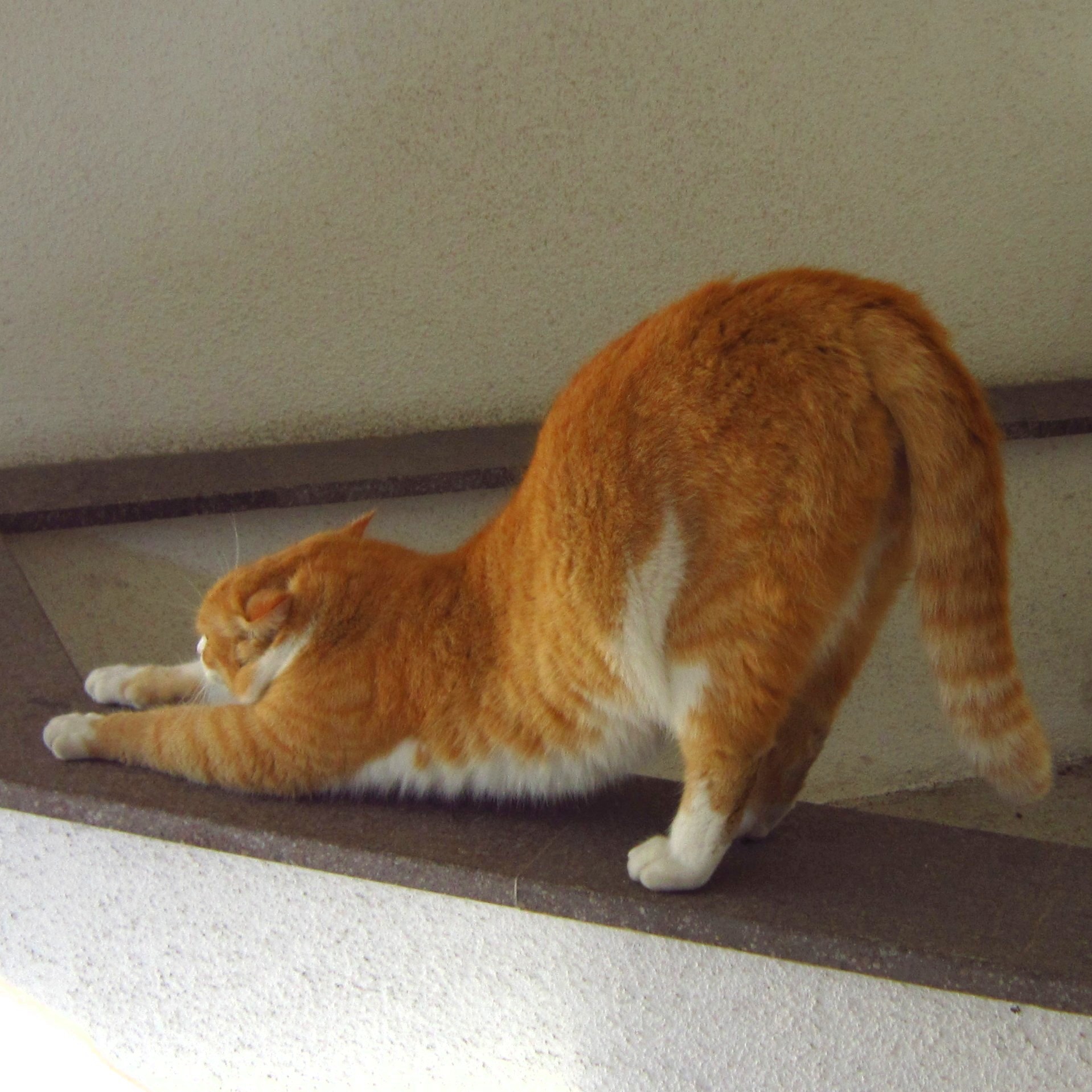
Cover image licensed under CC0 (Public Domain)
Busy desk-based professionals and on-the-go adults often chalk up daily posture challenges to stress or getting older, then wonder why neck strain shows up by midafternoon. The core tension is that posture problems build quietly through small workspace ergonomics slip-ups, screen height, chair fit, reaching and hunching, until the back pain impact starts affecting focus, sleep, and workouts.
The general adult population doesn’t need perfect posture to feel better; it needs clearer awareness of what’s driving the strain. With a few minutes of attention, daily movement can feel easier and more supported.
Quick summary: better posture, fast relief
- Practice spinal alignment exercises to support your back and feel better quickly.
- Use ergonomic furniture to reduce strain and keep your body in healthier alignment.
- Use posture and breathing cues to sit and stand taller with less tension.
- Reduce ‘tech neck’ with simple adjustments that keep your head and shoulders aligned.
Build a one-page posture plan you’ll actually repeat
Once you’ve got the main posture takeaways in mind, the next win is turning them into a simple guide you can follow without overthinking. Create a custom posture improvement guide or exercise routine that matches what you’re actually working on right now, so it feels usable instead of overwhelming. If you’ve compiled a comprehensive PDF with a variety of posture exercises, you may find that not all sections are relevant to your current goals or fitness level. Using another resource to remove unnecessary pages can help you streamline the document so your guide stays focused and easy to repeat.
Start fixing alignment today with seven doable moves
You don’t need a total lifestyle overhaul to stand taller. Pick one or two moves from this menu, plug them into the one-page plan you’re already building, and let consistency do the heavy lifting.
- Switch on your ‘brace’ (core strength in 60 seconds): Two or three times a day, stand tall and gently tighten your midsection like you’re zipping up snug jeans, no breath-holding. Hold for ten seconds, relax for five, and repeat five rounds. This trains your torso to support your spine between workouts, and weak core muscles are a common reason posture collapses as the day goes on.
- Do a micro core circuit (six minutes, no floor required): Set a timer and rotate: 45 seconds wall sit, 45 seconds standing knee lifts, 45 seconds suitcase carry with a moderately heavy bag, then rest 30 seconds, repeat once. Keep ribs stacked over pelvis; if your low back arches, lighten the load or slow down. Add this to your plan on ‘busy days’ so you never have to skip entirely.
- Use yoga as your posture reset (eight–ten minutes): Run a short sequence: Mountain pose (one minute), Cat–Cow (one minute), Low lunge with chest open (one minute each side), Locust pose (30 seconds x two), Child’s pose (one minute). Move slowly and aim for length, not strain; yoga builds body awareness so you catch slumping sooner. Bonus: it’s an easy ‘habit anchor’ after brushing your teeth or after shutting your laptop.
- Breathe to stack your ribcage over your pelvis (two minutes): Try ‘360 breathing’: inhale through your nose and expand your lower ribs into your hands (front, sides, and back), then exhale long and feel ribs soften down. Do five breaths before meetings, workouts, or driving; breath mechanics can pull you out of a chest-up/low-back-arched posture and help your neck relax.
- Stretch what’s pulling you forward (targeted, not random): Hit two common trouble spots: doorway chest stretch 45 seconds per side, then hip-flexor stretch in a half-kneel 45 seconds per side while lightly tucking your tailbone. Follow each stretch with 5 ‘shoulder blade slides’ down and back so your body learns the new range. Log these in your one-page plan as ‘desk antidotes’.
- Fix your desk setup with three quick measurements: Put the top of your screen at about eye level, keep elbows near 90 degrees with shoulders relaxed and place feet flat with knees roughly level with hips. If you’re reaching forward, move the keyboard/mouse closer before you blame your willpower. Then schedule two posture check-ins on your plan: one mid-morning, one mid-afternoon.
- Choose supportive footwear that doesn’t fight your alignment: For long standing/walking days, pick shoes with a stable heel counter (the back doesn’t collapse), enough toe room and a platform that feels steady side-to-side. If you love minimalist shoes, transition gradually, start with 20–30 minutes and build weekly, so your feet and calves adapt instead of yanking your posture off balance.
Posture Q&A: myths, pain and quick wins
Q: What’s the biggest posture myth I should stop believing?
A: The myth is that there is one ‘perfect’ position you must hold all day. The idea of one correct way to sit came from older drill-style standards, not real-life bodies. Aim for ‘least strain’ and change positions often.
Q: How do I avoid ‘tech neck’ when I can’t ditch my phone or laptop?
A: Tech neck builds when your head drifts forward for long stretches. Bring the screen up to eye level when possible, keep your elbows supported and take 20-second ‘chin tuck and reach tall’ resets every 30 to 60 minutes.
Q: Can I work on posture if I have chronic back pain?
A: Check with a qualified medical professional for a definitive answer. In general, the answer is yes, if you keep your activites gentle and symptom-led. Start with short walks, easy breathing and light core engagement that does not spike pain, then build time slowly. If pain is sharp, radiating, or worsening, you must get evaluated.
Q: Should I see a chiropractor for posture correction?
A: Chiropractic care can help some people feel looser or less sore, especially short-term. Lasting change usually comes from pairing any hands-on care with daily strength, mobility, and workstation tweaks. Ask for simple home exercises and clear goals.
Q: When will I notice a real difference in how I stand and feel?
A: Many people feel small improvements in comfort within one to two weeks of consistent practice. Visible, ‘automatic’ posture tends to take six to 12 weeks because muscles, habits and setup need time to sync. Track one win per week so progress stays obvious.
Build lasting posture habits for comfort, confidence and performance
Posture slips because real life pulls attention to screens, stress and long sitting, and pain can make it feel risky to change. The way forward is the mindset practiced here: small daily resets, realistic timelines and consistency over perfection. Stick with it and the long-term posture benefits show up where it counts: improved productivity, boosted self-confidence, injury prevention, enhanced circulation and steadier energy. Better posture is built by small corrections repeated until they feel normal. Commit to a simple two-week posture challenge by choosing one daily check-in time and honoring it. That’s how sustaining posture habits becomes a foundation for resilience, health, and better performance.
This article is of a general nature and provided for informational purposes only. It does not constitute medical advice and should not be taken as such. For personalised advice, consult with a qualified medical professional.
Looking to publish your own article on Clubnets? Find out more here.